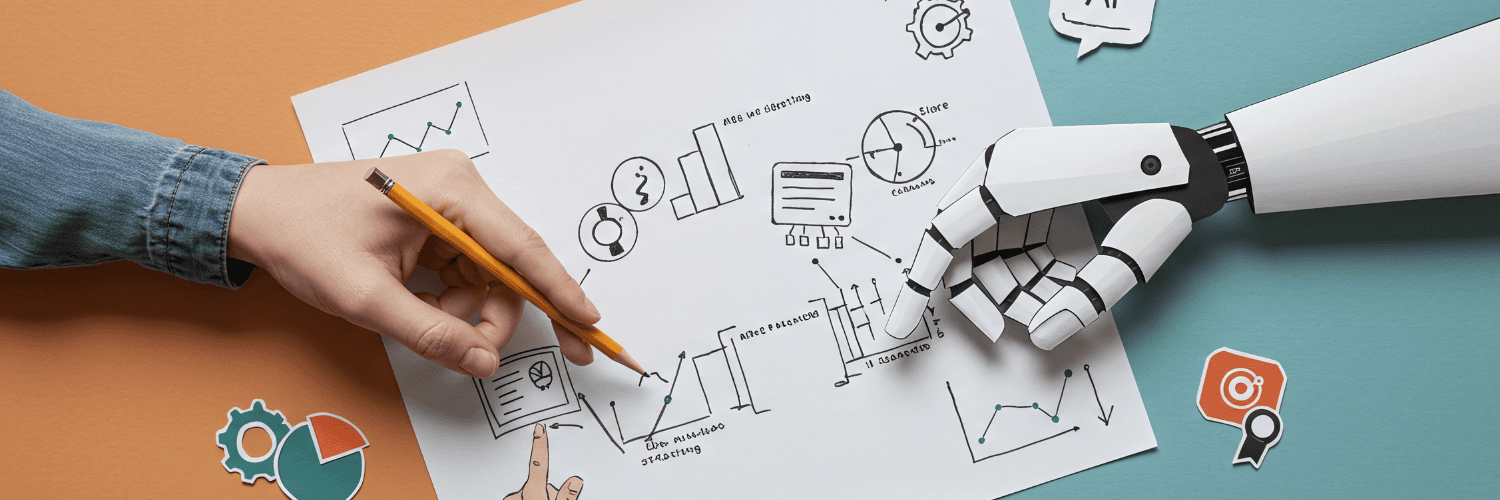
Artificial intelligence (AI) is the ability of machines to learn from data and make decisions without direct human intervention. Although it sounds like a technical concept, in practice it means that applications and services can anticipate what a user needs. For consumers, this translates into faster, more personalized, and more convenient experiences. AI is already present in search engines, virtual assistants, streaming platforms, and online stores. Understanding how it works helps you appreciate its advantages and recognize the risks, especially when it comes to privacy and trust. The key is using it as a tool that expands possibilities, not as a substitute for human judgment.
What is artificial intelligence and why does it matter?
Personalized experiences
Digital stores use AI to analyze shopping habits and display products tailored to each person. If someone searches for sneakers, the system will recommend similar models, accessories, and even related promotions. This saves time and increases the likelihood of finding what is genuinely needed. However, it can also create a "consumption bubble," where the user only sees a limited set of options. That is why it is worth combining recommendations with your own searches to broaden the range of possibilities and avoid relying solely on what the algorithm suggests.
Dynamic pricing
AI makes it possible to adjust prices in real time based on demand, competition, and the buyer's profile. This benefits people looking for deals, but it can also raise questions about transparency. For example, two people may see different prices for the same product depending on their browsing history. For consumers, the challenge is learning to identify when a price is fair and when it is the result of automated strategies. Comparing across several platforms remains the best defense against these practices, and more and more users are turning to price comparison sites to level the playing field.
Automated customer service
AI-powered chatbots offer fast answers to frequently asked questions and help resolve basic problems. This improves the consumer experience, since solutions arrive without long wait times. However, when inquiries are more complex, the lack of human interaction can create frustration. The challenge for companies is to combine the efficiency of AI with the empathy of human agents, striking a balance that satisfies customers.
AI in entertainment
Content recommendations
Platforms such as Netflix, YouTube, and Spotify use algorithms to suggest movies, series, or songs. AI analyzes consumption patterns and creates personalized lists that are constantly updated. This makes it easier to discover new content without spending too much time searching. However, it can also pigeonhole users into the same genre or style. To avoid this, it is worth manually exploring different categories and breaking the routine that algorithms tend to reinforce.
Immersive experiences
In video games and virtual reality, AI enables more realistic and dynamic scenarios. Characters react intelligently, delivering unique experiences that adapt to the player's behavior. This turns entertainment into something more interactive and engaging. AI is also used to create open worlds where the user's decisions have visible consequences. For consumers, this means a level of immersion never seen before, although it also raises the challenge of balancing the time devoted to digital leisure.
Content production
AI does not just recommend; it also creates. Tools for generating music, images, and scripts allow anyone to experiment with digital creativity. This democratizes access to artistic production, although it also opens debates about originality and copyright. Consumers become creators, but they must learn to distinguish between inspiration and copying.
AI in health and well-being
Faster diagnoses
Medical applications and smart devices use AI to detect symptoms and recommend actions. A smartwatch can flag irregularities in heart rhythm and suggest a visit to the doctor. These advances speed up diagnoses and improve prevention. However, AI does not replace professional opinion. Consumers should see it as a complementary tool that helps them make informed decisions, but always under medical supervision.
Personalized well-being
AI is also applied in nutrition and exercise apps. These tools create plans tailored to each person, taking into account age, weight, and goals. For example, an app can suggest progressive training routines and balanced menus based on the user's lifestyle. This turns technology into an ally for improving quality of life. The challenge is maintaining discipline and not relying solely on the app to achieve results.
Telemedicine and accessibility
AI makes remote medical care easier, enabling faster and more efficient virtual consultations. This is especially useful in rural areas or places with limited access to specialists. Consumers can receive preliminary diagnoses and recommendations without leaving home. However, trust in these systems depends on data security and on the quality of the information they provide.
Benefits for consumers
Artificial intelligence offers clear advantages:
- Speed: faster processes in purchases and services.
- Personalization: experiences tailored to individual tastes.
- Accessibility: tools available on everyday devices.
- Innovation: new forms of entertainment and well-being.
- Efficiency: less time spent on paperwork and inquiries.
These benefits make AI seen as an ally in daily life. Consumers enjoy more convenient and efficient experiences, as long as use remains conscious and responsible. The key is to take advantage of the technology without losing autonomy.
Challenges and concerns
Data privacy
One of the biggest challenges is the protection of personal information. AI needs data to work, but consumers fear it may be used without their consent. For example, when shopping online, systems collect information about consumption habits and location. Corporate transparency is fundamental to building trust. Users should demand clear policies and review privacy settings on every platform.
Technological dependence
The convenience AI offers can create dependence. Consumers run the risk of losing autonomy in their decisions if they rely too heavily on automated recommendations. This is seen in shopping, entertainment, and even health. Maintaining a balance between taking advantage of technology and preserving critical thinking is essential. AI should be seen as support, not as a substitute for personal judgment.
The digital divide
Not all consumers have the same access to technology. AI can widen inequalities between those who have modern devices and those who do not. This raises a social challenge: ensuring that the benefits of artificial intelligence reach everyone, regardless of economic level or geographic location.
Challenges and concerns
Artificial intelligence will keep growing and expanding into new sectors. It is expected to improve customer service, education, and financial services. Consumers will have more tools to simplify their lives, but they will also need to keep an eye on changes in regulation and ethics. The future will depend on how innovation is combined with responsibility. If companies manage to balance benefits with transparency, AI will establish itself as an indispensable ally in everyday life. In addition, new applications will emerge in transportation, energy, and sustainability, which will directly affect the way consumers interact with their environment.
AI is already transforming the way consumers interact with the world. From shopping to health, it offers advantages that make daily life easier. However, it also raises challenges that should not be ignored. The key is to stay informed, demand transparency, and use technology consciously. That way, consumers can enjoy the benefits of artificial intelligence without losing control over their decisions. The future will be more digital, but also more human if the balance between innovation and responsibility is maintained. AI is not a destination, but a tool that, used well, can improve the quality of life of millions of people.