The healthcare sector faces growing challenges: an aging population, the rise of chronic disease, and limited resources. In this context, the Ribera group, with a presence in Spain, Portugal, and Central Europe, is betting on technology and data to deliver more efficient, personalized medical care. Its goal is clear: to improve patients' lives and make the work of healthcare professionals easier.
Technology in the service of patients and physicians
Ribera is not a traditional healthcare group. Its innovative approach is based on contracts with public administrations that prioritize quality of care, which allows the group to experiment with new technology solutions. The key is using solid data to make decisions that benefit both patients and the healthcare system as a whole.
The Ribera group sees technology and data as the way to transform the healthcare system. "What we are doing is rethinking both the data and the way healthcare could be adapted, and doing it in real time," he notes.
"A key part of the company is technology," says Bosch. "We are not a traditional healthcare company. We have contracts with the government based on quality of care, so we can be more innovative. We need solid data to make sure that what we do is good for patients, for the company, and for the healthcare system."
— Manuel Bosch Arcos, CTO of Ribera.
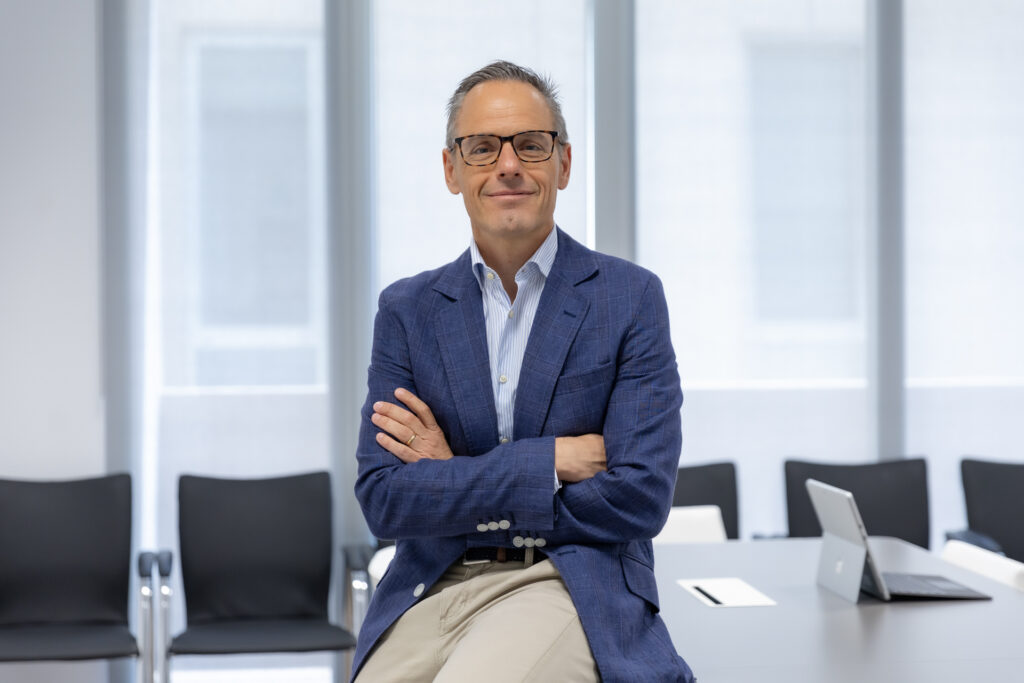
Manuel Bosch Arcos, CTO of Ribera. Photo by Miguel Vizcaíno for Microsoft.
Cynara Citizen: the portal that is transforming health management
One of Ribera's main technology bets is Cynara Citizen, a digital portal developed by its technology subsidiary Futurs. This platform goes well beyond the usual functions of hospital portals. It allows patients to manage appointments, check lab results, hold virtual consultations, and communicate directly with their primary care professionals.
But its real value lies in end-to-end care coordination. Cynara Citizen makes it easier to create personalized health plans and to continuously track medical indicators, especially in patients with chronic conditions. Professionals can therefore detect problems proactively and act before the situation worsens, avoiding unnecessary emergency room visits.
Tangible results: fewer emergency visits and readmissions
The rollout of Cynara Citizen has meant a significant improvement in the management of chronic patients. According to Ribera's data, the most complex patients who took part in the health management program experienced a 23% reduction in emergency room visits and 18% fewer hospital readmissions in the 30 days following discharge, compared with the previous year. These results demonstrate the positive impact of technology on health and on the efficiency of the system.
Layers of technology for comprehensive care
The name Cynara, inspired by the artichoke, symbolizes the many layers of functionality the portal offers. Ribera integrates a range of Microsoft tools, such as Dynamics 365 Contact Center, generative AI models from OpenAI, Azure Machine Learning, Microsoft Fabric, and Microsoft 365 Copilot. This combination makes it possible to manage data, automate processes, and deliver a secure, accessible experience for both patients and professionals.
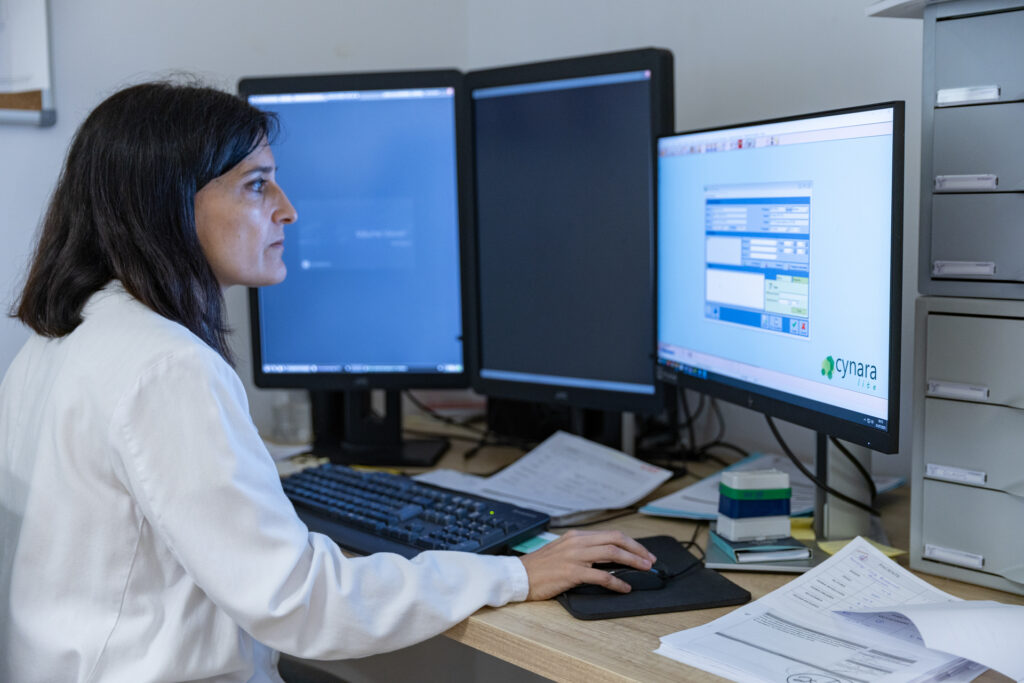
María José Azorín Belda, a nuclear medicine specialist at Ribera's Hospital Universitario del Vinalopó in Alicante, works at a computer. Nuclear medicine is used to diagnose a range of conditions, including cancer and cardiovascular disease, which are the kind of chronic conditions Cynara Citizen aims to improve. Photo by Miguel Vizcaíno for Microsoft.
Remote monitoring and direct communication
Thanks to Cynara Citizen, professionals can remotely monitor key health indicators and communicate directly with patients. For example, if a person with diabetes experiences a drop in glucose, the medical team can step in before the situation becomes an emergency. This proactive care improves quality of life and builds trust in the system.
Artificial intelligence to anticipate risks and optimize resources
Ribera's commitment to artificial intelligence goes beyond patient monitoring. For more than four years, the group has been investing in AI projects with three main objectives: classifying data, refining information to obtain better results, and making predictions. Machine learning makes it possible to identify patterns and anticipate risks, such as the likelihood of hospital readmission, the development of pressure ulcers, or the risk of falls.
The advantage is that by using the models you can gather far more information. Not just five items, but potentially up to 30, using variables that are not easy to find, because they may be in the lab results and it is impossible for a person to collect them manually.
— Mireia Ladios Martín, head of Quality at Ribera and product manager at Futurs.
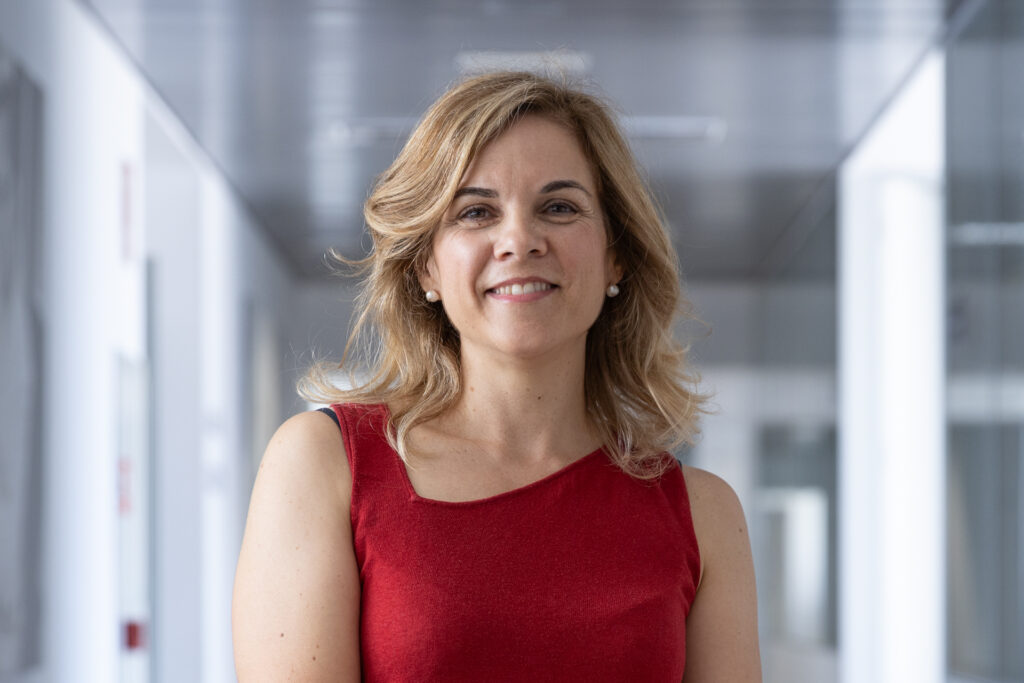
Mireia Ladios Martín, head of Quality at Ribera and product manager at Futurs. Photo by Miguel Vizcaíno for Microsoft.
These models analyze complex variables, many of them difficult to collect manually, and complement traditional clinical assessment tools. Professionals can therefore make better-informed decisions and personalize care according to each patient's needs.
Automation to reduce the administrative burden
Artificial intelligence also helps free physicians from repetitive administrative tasks. Ribera is developing projects that automatically generate discharge documents for routine procedures, such as cataract surgery. In this way, professionals can devote more time to direct care and less to paperwork.
Technology as an ally, not a substitute
At Ribera, technology is conceived as a support tool, not as a substitute for the healthcare professional. Artificial intelligence acts as a GPS for the physician: it makes the work easier, speeds up processes, and reduces stress, but the final decision always rests with the person.
The Ribera group shows that artificial intelligence can be a key ally in addressing today's healthcare challenges. Thanks to technological innovation, it is possible to deliver more efficient, personalized, and humane care, optimizing available resources and improving patients' quality of life.